Designing the Perfect Personalized Produce Boxes: A Step-by-Step Guide
Building specialized fruit and vegetable boxes calls for a calculated approach. Professionals must consider sustainability, functionality, and aesthetics. Selecting the suitable components is vital for preserving quality and promoting eco-friendly methods. Furthermore, size and shape can greatly impact ease of use and transport efficiency. Compelling graphics strengthen brand identity, while detailed testing guarantees durability. Grasping these components will reveal critical understanding into producing standout packaging strategies that appeal with customers. What follows is fundamental to accomplishing those goals.
Selecting the Appropriate Materials for Custom Produce Boxes
When picking materials for custom produce boxes, it is critical to assess both functionality and sustainability. The decision of material considerably affects the box's resilience, weight, and ability to protect the contents. Common materials feature corrugated cardboard, which provides strength and is recyclable, making it a popular choice for sustainability-focused businesses. Decomposable options, such as molded pulp or plant-based plastics, also support read more sustainable practices while offering sufficient protection for delicate produce.
Moreover, moisture resistance is indispensable for keeping quality consistent, causing some producers to assess treated materials or specialized coatings. The aesthetic appeal of the box cannot be dismissed, since brand positioning and graphical elements can shape buyer perspective. Ultimately, the best option should balance between protecting the produce, appealing to customers, and meeting ecological requirements, ensuring both functionality and sustainability are prioritized within the design process.
How to Choose Size and Shape for Operational Use?
When determining the form and dimensions of custom produce boxes, thorough evaluation of produce measurements is crucial for proper storage. Additionally, attention to handling and transport can impact the box structure, guaranteeing ease of movement. Optimizing storage space utilization further improves functionality, enabling effective presentation and organization.
Evaluate Produce Dimensions Carefully
Determining the correct proportions for vegetable containers is important for functionality and efficiency. Thorough assessment of produce dimensions is essential, as it confirms that items fit tightly without extra room that might cause damage during warehousing and delivery. Made-to-order containers need to support multiple shapes, from tender fruits to oversized produce, while maintaining robustness. Additionally, the height and width of the boxes should allow for proper layering and inventory control, optimizing space in warehouse spaces. A expertly crafted container not only preserves the produce but also enhances market presentation for shoppers. Ultimately, deliberate consideration of dimensions aids in minimizing waste and enriching customer journey in the product distribution.
Review Handling and Transport Practices
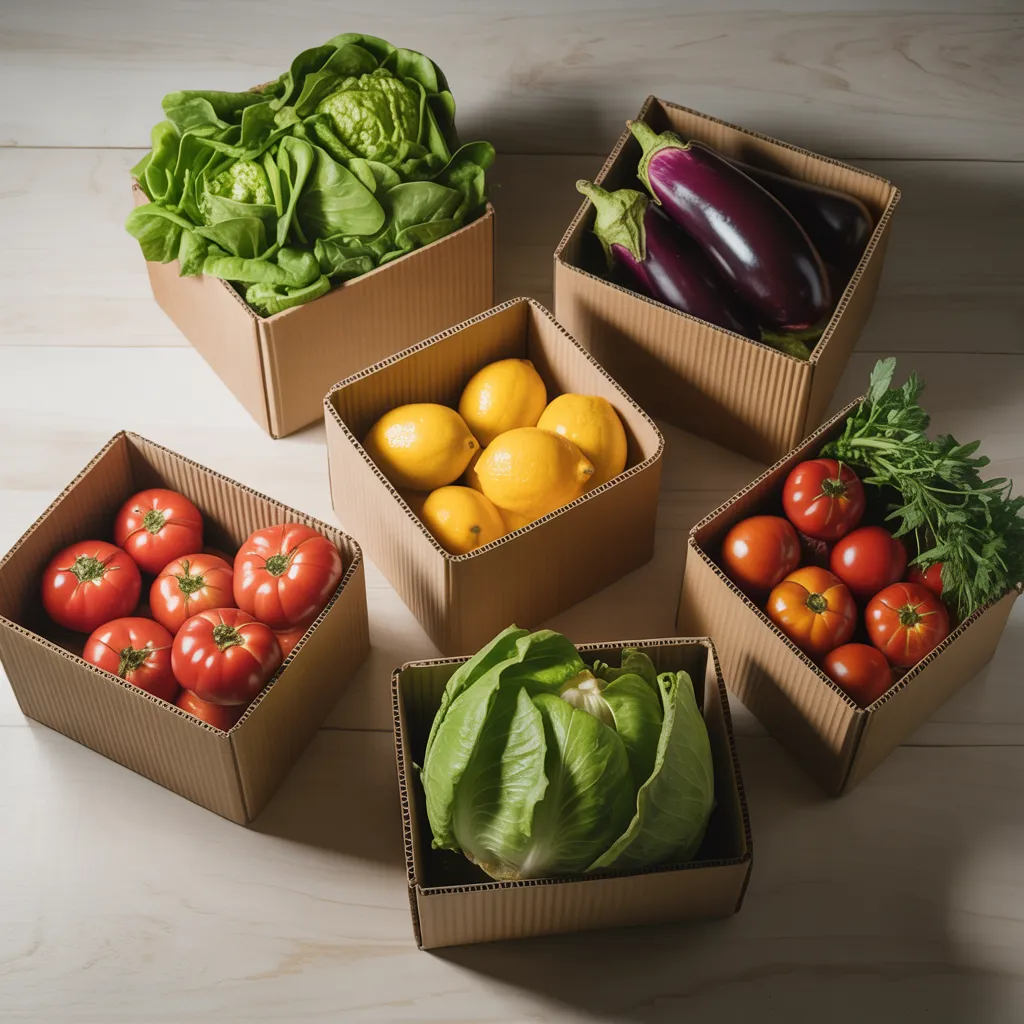
Handling and transport considerations play a substantial role in establishing the appropriate size and shape of custom produce boxes. The measurements must fit the fresh items without unnecessary space, which could lead to movement and damage during transit. Smaller, compact boxes facilitate easier handling, while bigger containers may be necessary for larger items. Additionally, proper ergonomic planning is crucial; handles or openings should be carefully placed to enable easy lifting and carrying. The shape of the box also affects stacking and stability, guaranteeing that products remain secure. Ultimately, thoughtful evaluation of these factors enhances the efficiency of shipping, reduces product loss, and supports the overall integrity of the fresh goods from farm to consumer.
Enhance Product Space Utilization
Efficient shelf space usage relies upon selecting the appropriate dimensions and form of custom produce boxes. Designers should consider the dimensions of the shelving units as well as the varieties of produce being stored. Square-sided boxes often maximize space efficiency, enabling for easier arrangement and organization. On the other hand, distinctive forms can enhance aesthetic attractiveness but may result in wasted space if not carefully planned.
It's vital to review the product rotation speed; quick-moving products might leverage compact, readily accessible boxes. Moreover, utilizing flexible or customizable designs can facilitate various dimensions of merchandise while enhancing display organization. By focusing on functionality and aesthetic value, enterprises can establish a practical and eye-catching presentation that strengthens both ease of access and product prominence.
How to Create Visuals That Grab Interest?
Engaging graphics can transform a simple custom produce box into a visual masterpiece that attracts attention. To accomplish this, creatives should start by selecting a color scheme that reflects the vitality and energy of the produce. Bright, striking colors can evoke feelings of freshness and wellness, driving consumers to take a closer look.
Bold typefaces proves equally vital; readable typefaces can effectively communicate crucial details while enhancing visual appeal. Moreover, using high-quality images of the produce can build instant rapport, showcasing the item's superiority and enticing prospective clients.
Furthermore, incorporating unique patterns or illustrations can assist in setting apart the brand in a congested market. Consistency in visual features, such as logos and taglines, reinforces brand identity. Ultimately, a combination of creativity and clarity in visual design can greatly elevate the significance of custom produce boxes, making them stand out on shelves.
Eco-Friendly Practices for Custom Produce Box Packaging
An increasing number of businesses are implementing eco-friendly practices for custom produce box packaging, recognizing its importance in today's environmentally conscious market. These approaches often include the use of decomposable materials, such as recycled paper and plant-based plastics, which minimize environmental impact. Companies are also focusing on responsible material sourcing, guaranteeing that materials are obtained from responsibly managed forests or suppliers who prioritize environmental stewardship.
In turn, numerous brands are choosing minimalistic formats that reduce waste while still efficiently displaying their products. This technique not only resonates with environmentally aware consumers but also helps in reducing production costs. Moreover, businesses are increasingly applying effective manufacturing processes that minimize energy consumption and waste generation. By implementing these eco-friendly practices, companies not only improve their brand image but also contribute positively to the planet, aligning their operations with a sustainable future.
Validate Your Custom Produce Box Configuration
Testing the design of bespoke vegetable packaging is an significant phase in confirming they meet both appearance-based and performance-based requirements. This process usually involves studying components such as robustness, size, and usability. First, prototypes need to be developed to inspect the package's structural integrity, making sure it can withstand shipment and preservation without affecting the contents.
Following this, usability assessments can be executed to evaluate how readily the boxes can be unfastened, closed, and layered. Suggestions from target consumers can be essential in this phase, delivering understanding of the box's usefulness.
Furthermore, the design's visual appeal should be evaluated through focus groups or surveys, gauging customer responses to branding elements, colors, and overall presentation.
Ultimately, comprehensive evaluation enables designers to refine the box, guaranteeing it not only appeals to customers but also effectively protects and presents the produce within, striking the right equilibrium between form and function.
Efficiently Publicize Your Custom Produce Boxes
Successful promotion of personalized vegetable containers demands a well-planned strategy that emphasizes their distinctive advantages and value. Businesses should concentrate on identifying their intended customers, such as local farms, grocery stores, or individual consumers. Leveraging social networking sites can boost market visibility, displaying the boxes' appearance and functionality through engaging visuals and storytelling.
In addition, aligning with local influencers or farmers can reinforce authenticity and amplify reach. Launching bargains or markdown offers during seasonal peaks can appeal to initial patrons and inspire returning trade.
Furthermore, emphasizing sustainability and eco-friendliness in promotional messaging can engage sustainability-focused buyers. Presenting in-depth information about the materials used and the advantages of bespoke packaging designs can further set apart the brand in a saturated marketplace.
In the end, a extensive promotional approach that blends digital and community-based efforts will effectively promote custom produce boxes, appealing to a wide-ranging clientele and driving sales.
Regularly Asked Inquiries
What Charges Accompany Custom Produce Box Planning?
Costs concerning custom produce box design feature materials needed, print production, work hours, and freight. Also, design consultation and minimum order quantities can determine overall expenses, creating varying prices based on individual specifications and production size.
What Period Is Needed to Generate Made-to-order Boxes?
Producing customized boxes normally takes two to six weeks. Factors that influence this timeline include intricacy of design, materials sourcing, and production capability, each of which can affect delivery schedules and processing times.
Is it Feasible to Buy a Small Quantity of Custom Produce Boxes?
Yes, modest amounts of tailored vegetable containers can typically be ordered. Many vendors offer base order requirements, allowing companies or people to obtain tailored packaging solutions without having to pledge to large amounts at first.
Which Common Missteps Should Be Avoided in Tailored Box Development?
Common pitfalls in custom box design include failing to address functionality, ignoring brand consistency, underestimating material quality, failing to consider target audience preferences, and neglecting environmental impact. Each aspect is critical for effective packaging and customer satisfaction.
How Can I Guarantee My Boxes Meet Food Safety Standards?
To guarantee boxes remain food-safe, you should select components certified for food contact, prevent dangerous inks and adhesives, preserve cleanliness during production, and consistently monitor for compliance with health regulations and safety standards.